
Foot & Ankle Health Care Blog
Podiatric Physicians & Surgeons in Hackensack, Fort Lee and Montvale, NJ
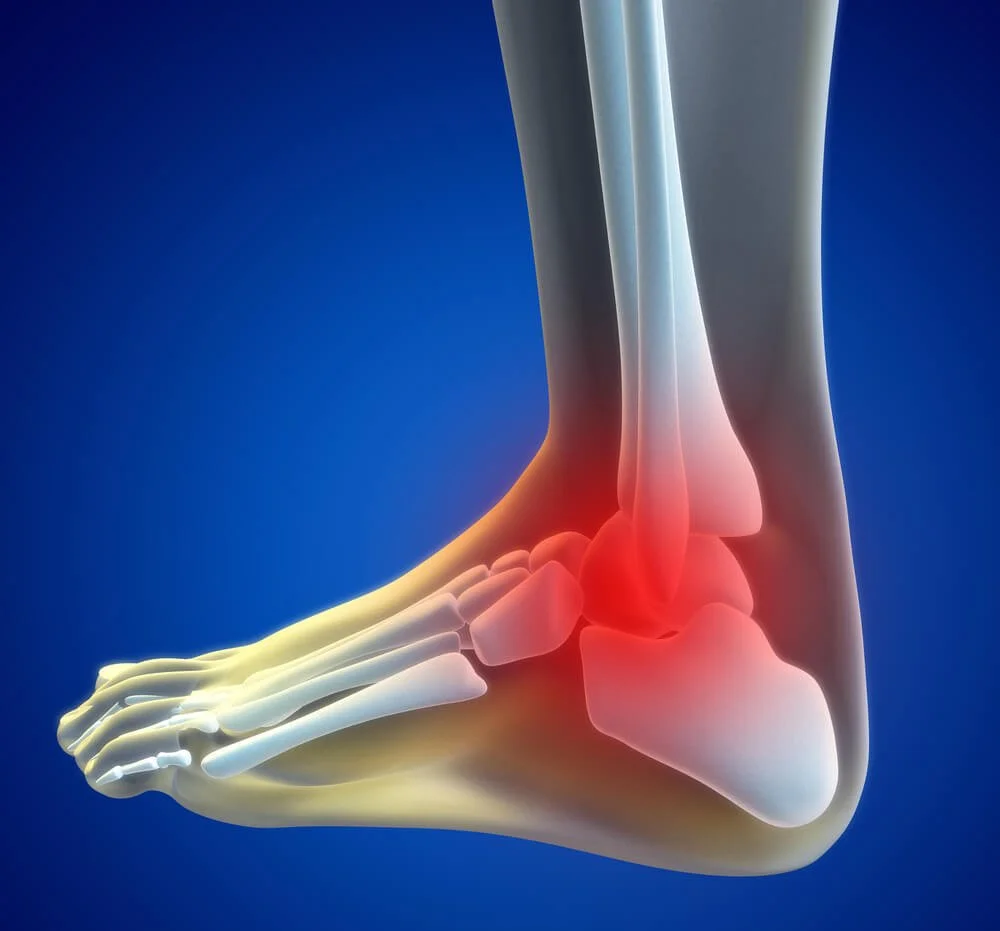
Ankle Injury - Talus Fracture
Talus Fracture: Understanding This Serious Ankle Injury and the Recovery Process - Bones are strong structures, but even they have limits. A talus fracture is a serious ankle injury that occurs when the talus bone breaks due to significant force. The talus is a small but critical bone located between the heel bone and the lower leg bones. It plays a vital role in ankle movement, balance, and weight transfer during walking. Because of its function and limited blood supply, a talus fracture requires prompt medical attention and careful management.
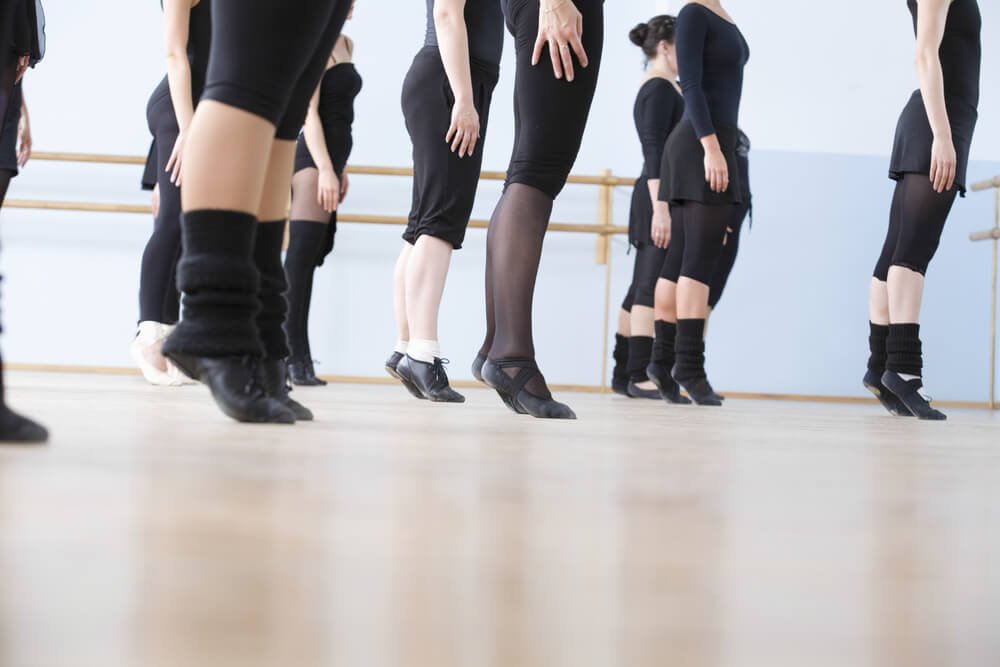
Treatment For Trigger Toe Pain
Dancers and Big Toe Pain - Ballet is widely recognized as one of the most physically demanding forms of dance. It calls for extraordinary strength control and precision. The feet are designed to carry the body’s load across a broad surface. When that force is focused onto a single small area such as the big toe the risk of injury rises significantly. Over time this intense pressure can irritate the tendon responsible for bending the big toe and may lead to a condition known as trigger toe.
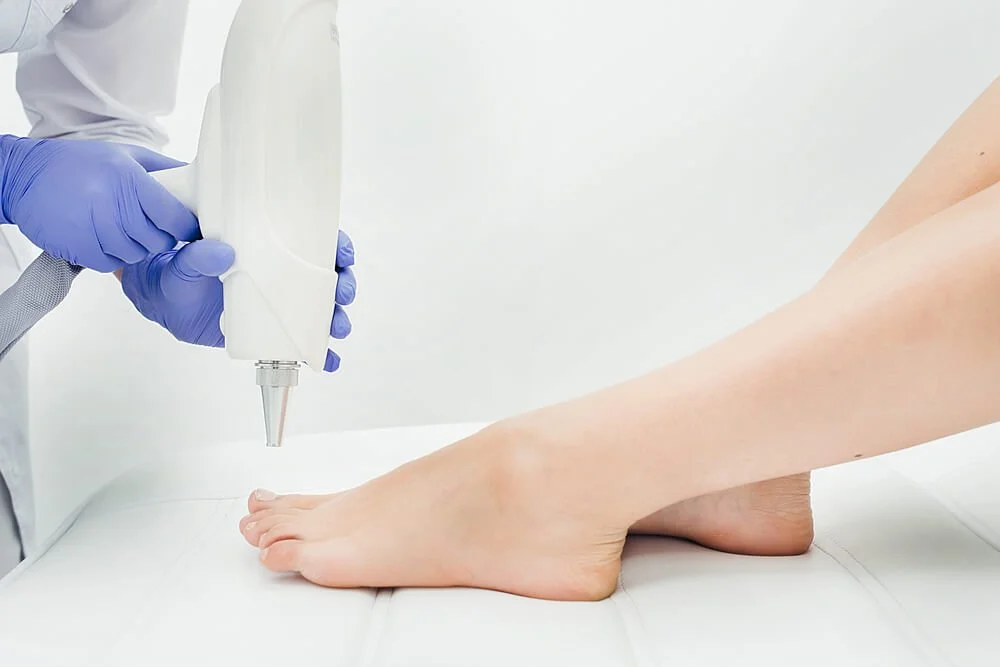
Three Ways to Prevent Fungal Toenails Before They Start
Fungal toenail infections are among the most frequent conditions treated in podiatry offices. Although they may begin subtly, they often progress into stubborn infections that are difficult to eliminate once fungus works its way beneath the nail plate. These infections can lead to thickened toenails, yellow or brown discoloration, brittle edges, and an odor that becomes hard to ignore. Since fungal nails take time to treat, prevention remains your strongest tool for keeping your nails clear and healthy.

Swollen Feet and Pregnancy: What’s Normal, What’s Not, and How We Can Help
At Podiatry Foot and Ankle Institute, we often see moms-to-be walk through our doors wondering, “Why are my feet so swollen—and is this normal?” If that’s you, take a breath. You’re not alone, and we’re here to help you every step of the way.

Pickleball Foot and Ankle Injuries - NJ Podiatrist Tips
Pickleball is booming across New Jersey. From community centers to public courts, more people are discovering this fast-paced, social sport. But with its rising popularity comes a noticeable increase in foot and ankle injuries, especially among adult and senior players.

Heel Pain Stopping You? Let’s Talk About Plantar Fasciitis
If you’ve ever stepped out of bed and felt a sharp, stabbing pain in your heel, you might already know the name of the culprit: Plantar Fasciitis. This common foot condition affects millions of people every year—and while it might sound like a minor annoyance, left untreated, it can seriously impact your mobility and quality of life. At Podiatry Foot & Ankle Institute, our experienced podiatrists treat plantar fasciitis at our Hackensack, NJ, office.

Don’t Overlook Skin Cancer on Your Feet
When you think of skin cancer, your mind probably goes to faces, arms, or backs exposed to the sun on a summer day. But here’s something most people overlook. Skin cancer can also develop on your feet and in some cases, it can go undetected for too long.
At Podiatry Foot & Ankle Institute we’re trained to detect signs of skin cancer affecting the feet and ankles. These areas are often neglected during routine skin checks, yet they’re just as vulnerable, especially to more aggressive forms of cancer.

Children’s Foot Pain: What to Watch For
Is Your Child Complaining About Foot Pain? Don’t Ignore the Signs - Have you noticed your child limping, avoiding sports, or constantly removing their shoes? While some parents chalk it up to growing pains, persistent foot or ankle discomfort in children is not something to ignore.

Bunion Pain Relief
As you can imagine, bunions do not serve any purpose with your foot function at all. They happen as levels of dead skin develop on the side of the big toe. This can be the result of an abnormality of the bones that causes the big toe to hit against the toe next to it. Bunions can cause significant pain.

Diabetic Foot Care: Daily Steps to Prevent Serious Complications
Why Daily Foot Care Could Save a Toe (or Two).
When you think about managing diabetes, your mind probably jumps to blood sugar monitors, carb counting, or those endless lab results. But here’s the truth many people don’t realize diabetes doesn’t just affect your body—it affects your feet. And not in small ways.

Why Do We Get Toe Cramps?
Toe cramps can stop you in your tracks. Whether it strikes in the middle of the night or right as you’re tying your sneakers, that sudden, sharp spasm in your toes is no fun. But here’s the thing: as frustrating as they are, toe cramps are common, and in most cases, completely manageable.

Why Shockwave Therapy is Revolutionizing Foot Pain Treatment
Chronic foot pain can be a significant hurdle in your daily life. Whether it’s from conditions like tendinitis, plantar fasciitis, or a repetitive stress injury, the thought of surgery and long recovery times may leave you feeling helpless. Fortunately, there’s now a non-invasive alternative that’s changing the game—shockwave therapy.

Effective Strategies for Heel Pain Relief
Heel pain is a common issue that can disrupt daily activities. Whether caused by plantar fasciitis, Achilles tendonitis, or other conditions, there are several ways to find relief. Below are some strategies for managing and preventing heel pain:

Calming Your Nerves and Neuroma
If you are living with a neuroma, you know that it can be very painful. It also can interfere with your daily life and abilities. Neuromas can be so painful that they make you immobile for an extended amount of time. Other times, the discomfort from a neuroma can cause you to lose the ability to wear your favorite shoes or take part in a favorite sport. Neuromas can put a damper on anyone’s day, but your podiatrist can help you create a treatment plan to lessen its impact on your life.
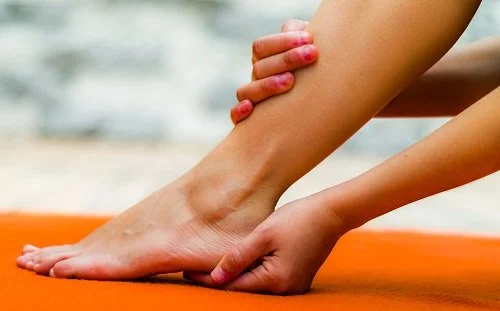
Don’t Ignore The Two Leading Causes of Heel Pain
Heel pain is one of the top reasons people walk into a podiatry office, and its impact can be surprisingly disruptive. Whether you’re standing all day at work, training for a race, or simply wearing shoes that aren’t supporting your feet, the heel absorbs enormous pressure with every step. Over time, that strain can build into persistent discomfort that interferes with work, hobbies, and daily tasks.

Minimizing the Risk of Wet Feet
Going on your first hiking trip can be exciting. Before you hit the road, you go to the local sports shop to get all the items you will need. Sleeping bag, tent, canteen, and many other items are bought and checked off your list. Among this list is a pair of new hiking shoes.

What To Know about Hammertoe
Hammertoe is a toe deformity that affects one or more of the three middle toes with a downward curving bend at the middle or end joint. This foot condition develops slowly and isn’t an issue until severe bending has occurred and treatment is more complicated.

Do Custom Orthotics Help?
When a patient arrives at Podiatry Foot & Ankle Institute in pain when standing or walking, custom molded orthotics are often used for treatment to correct posture or gait.

Six causes of numbness in your feet
Sometimes losing the sense of feeling in your foot can be caused by sitting in one position for too long, and having your foot “fall asleep.” Just getting up and moving around usually will fix the condition. In more severe situations, the sense of numbness and tingling may be caused by an injury or underlying ailment like diabetes is peripheral artery disease (decrease in blood flow, to the foot's nerves).

Treat Plantar Fasciitis With Exercise
What is Plantar Fasciitis? The plantar fascia is the wide band of connective tissue that spans your foot’s bottom between the toes and your heel to form your arch.
