
Ankle Injury - Talus Fracture
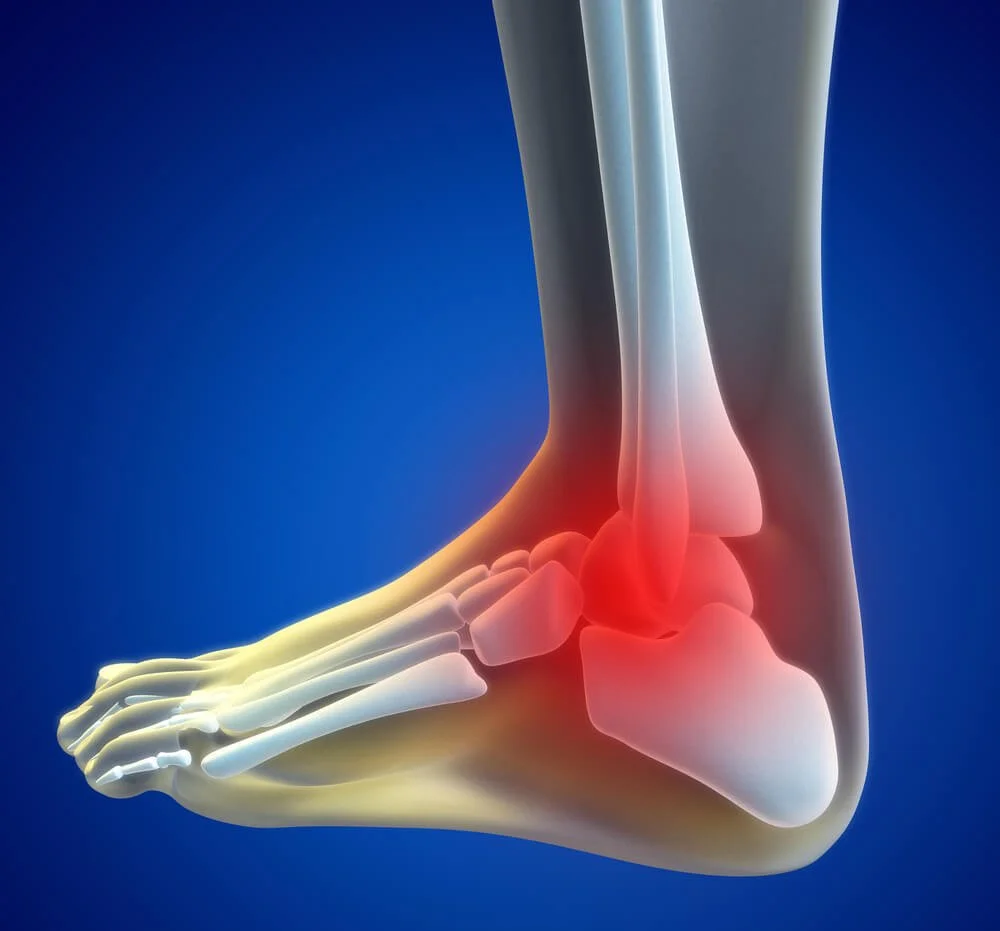
Talus Fracture: Understanding This Serious Ankle Injury and the Recovery Process
Bones are strong structures, but even they have limits. A talus fracture is a serious ankle injury that occurs when the talus bone breaks due to significant force. The talus is a small but critical bone located between the heel bone and the lower leg bones. It plays a vital role in ankle movement, balance, and weight transfer during walking. Because of its function and limited blood supply, a talus fracture requires prompt medical attention and careful management.
What Is a Talus Fracture
A talus fracture occurs when one or more parts of the talus bone crack or break. This injury most commonly results from high impact trauma such as motor vehicle accidents, falls from height, or sports related injuries involving sudden force to the ankle. In some cases, severe ankle twisting injuries can also lead to a fracture.
Talus fractures are considered complex because the bone is mostly covered by cartilage and has limited areas for blood flow. This makes healing more challenging compared to other foot and ankle fractures.
Symptoms of a Talus Fracture
Symptoms often appear immediately after injury and may include severe ankle pain, swelling, bruising, and difficulty or inability to bear weight. The ankle may appear deformed depending on the severity of the fracture. Because symptoms can overlap with severe sprains, imaging such as X rays or advanced scans is often needed to confirm the diagnosis.
If ankle pain persists after trauma or weight bearing becomes impossible, evaluation by a podiatrist or foot and ankle specialist is essential.
Immediate Care After Injury
Early treatment plays a major role in recovery. Resting the injured foot is critical to prevent further damage. Ice may be applied to help reduce swelling. Immobilization using a splint or boot helps stabilize the ankle and protect the bone. Pain and inflammation are often managed with appropriate medications under medical supervision.
Weight bearing is typically restricted until the bone begins to heal. In more severe fractures where bone alignment is disrupted, surgical treatment may be required to restore proper anatomy and stability.
Treatment and Recovery Process
Treatment depends on the location and severity of the fracture. Non displaced fractures may be treated with immobilization and strict non weight bearing for several weeks. Surgical treatment may be recommended for displaced fractures to improve healing and reduce the risk of long term complications.
Recovery can take several months. Once the bone has healed sufficiently, gradual rehabilitation begins. Physical therapy focuses on restoring ankle motion, strength, and balance. Controlled exercises are introduced slowly to avoid overstressing the healing bone.
Possible Complications
Because of the talus bone’s limited blood supply, complications such as delayed healing, joint stiffness, and arthritis can occur. Early diagnosis and proper management significantly reduce these risks. Long term follow up is often necessary to monitor healing and joint function.
Why Podiatric Care with Podiatry Foot and Ankle Institute Is Important
Talus fractures require specialized care to achieve the best possible outcome. A podiatrist experienced in foot and ankle injuries can provide accurate diagnosis, guide treatment decisions, and monitor recovery closely to prevent complications.
Consult with Dr. Edward Harris and Dr. Adam Rozenstrauch for proper diagnosis and treatment. At Podiatry Foot and Ankle Institute conveniently located in Hackensack, NJ, we specialize in diagnosing and treating talus fractures and complex ankle injuries To schedule an appointment, call (201) 488-3668 today or book an appointment online
